15 May 2026 10:00
Murano glass is glass made in Murano or according to the traditional craftsmanship of this Venetian island. By the end of the 13th century, the island of Murano had become the centre of the Venetian glass industry. Due to the fire hazard, the glass had to be produced on an island and was not permitted to be made within the urban built-up area. It was also hoped that this would keep the knowledge of the process a secret. Glassblowers were forbidden from passing on their craft.
History
By the 16th century, the techniques had been mastered to such an extent that it was possible to create highly intricate shapes and decorations. Glass production remains an important source of income in Venice. Murano is home to a number of very old glassworks. One of the oldest, Barovier & Toso, was founded as early as 1295 and is one of the oldest companies in the world. The glassblowers of Murano were held in high esteem. They were permitted to carry swords, enjoyed immunity from prosecution by the Venetian state, and saw their daughters marry into the wealthiest families of Venice. In return, they were not allowed to leave the republic.
Millefiori
The term millefiori is a combination of the Italian words mille (thousand) and fiori (flowers). It is a technique used to apply decorative patterns to glassware. In the millefiori technique, glass rods, known as murrine, are produced with multicoloured patterns. The colours are only visible from the cut ends of the rod. A murrine rod is heated in a kiln and drawn into a thin strand. Once it has cooled, it is then cut into beads or discs. These beads or discs are fused together and pressed into a mould to form, for example, a vase.
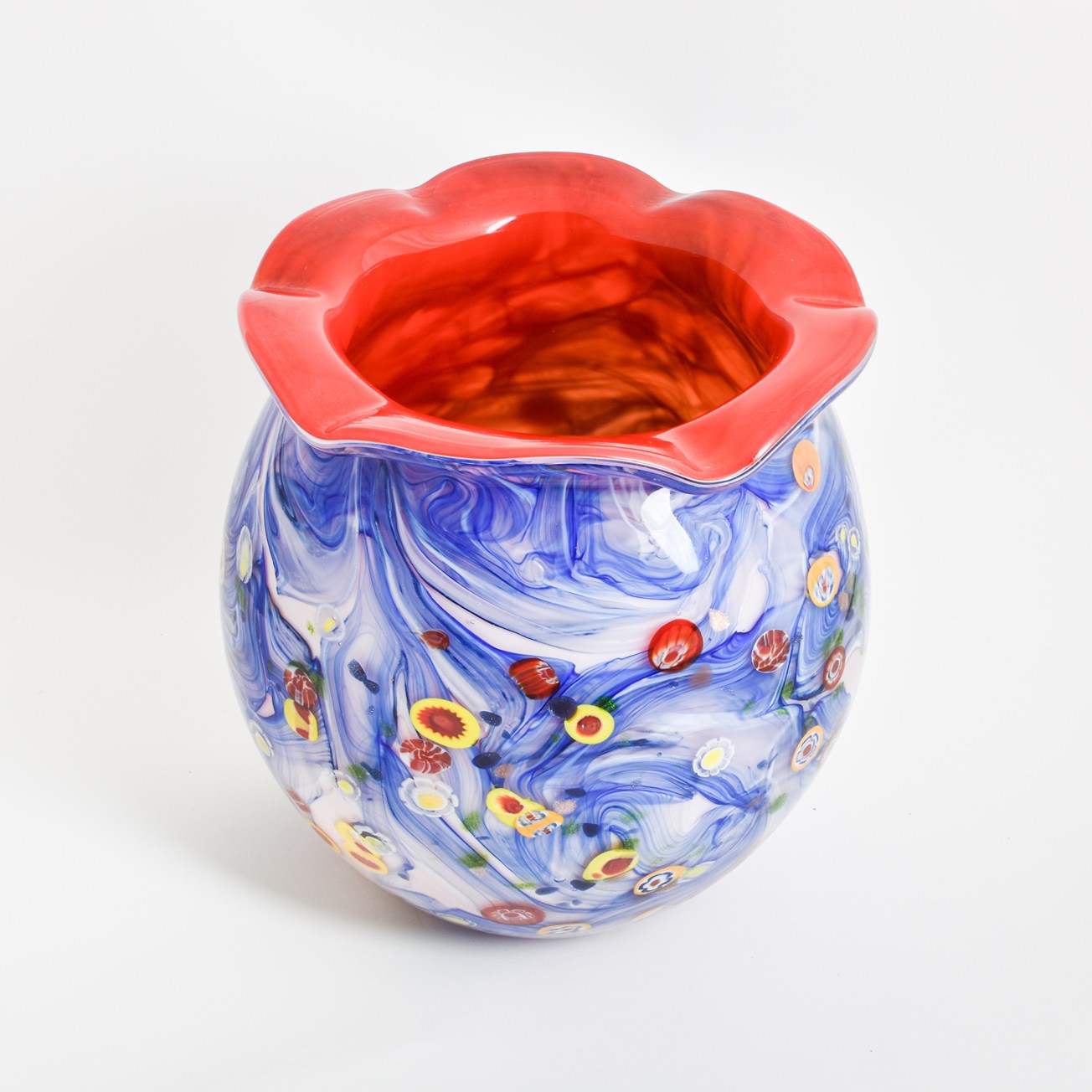
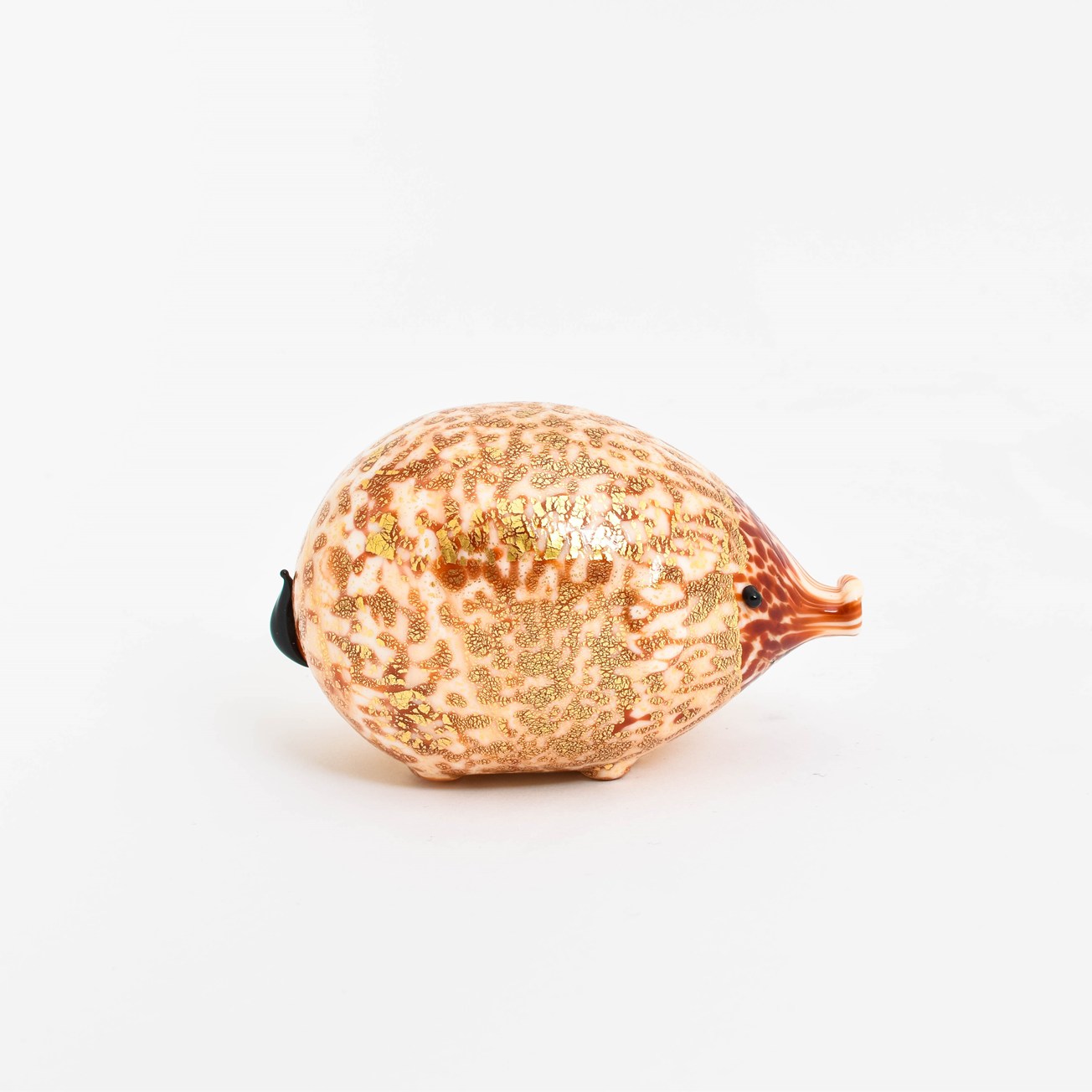
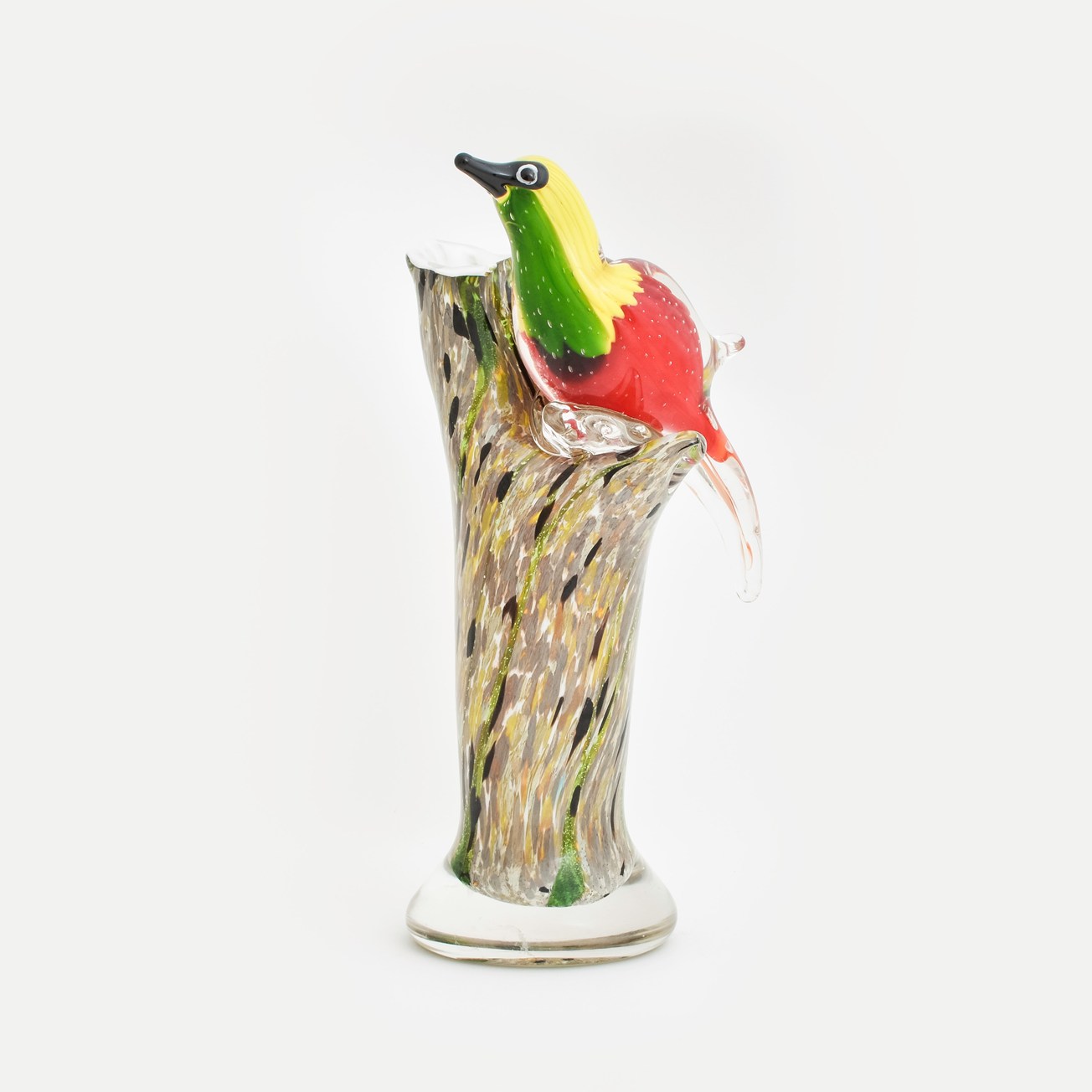
Marvel at all the beautiful items crafted using this centuries-old technique!
 ordered before 12:00, shipped today
 customers review us with 4.8/5
 ☀ Sunny Summer


 Send us a WhatsApp text
