11 November 2025 16:00
We are introduced to geometric shapes at a young age. Who didn't grow up with a box of building blocks? This is how we learn to develop spatial awareness. In the 1920s and 1930s, geometric shapes were the way to break with the Art Nouveau style, which was known for its asymmetrical and wavy lines.
Late Art Nouveau
Even before Art Deco became an important movement, geometric shapes could already be found in late, more businesslike Art Nouveau. The shape of furniture became simpler and more austere. Straight lines predominated. Circles, squares (often inlaid with ebony or metal), elongated angular lines and cubist shapes were frequently used in sleek furniture. Black and white contrasts were very popular, as were rich colours. The modern-looking geometric furniture of Art Nouveau is often very refined and made from exclusive types of wood. The upholstery of the furniture also featured geometric motifs. Josef Hoffmann's fabrics are famous.
Progressive Art Deco
Whereas Art Nouveau was mainly inspired by nature and organic forms, Art Deco expressions testify to the embrace of emerging technology. Free of unnecessary frills and embellishments. Think of architecture, cars, radios and other everyday objects from that period. During its heyday, rare and high-quality materials were used.
Geometry today
Circles, rectangles and cubes are popular shapes in modern interiors. Geometry makes interiors clear and attractive. At the same time, combinations of colour and shape can create an exciting effect.
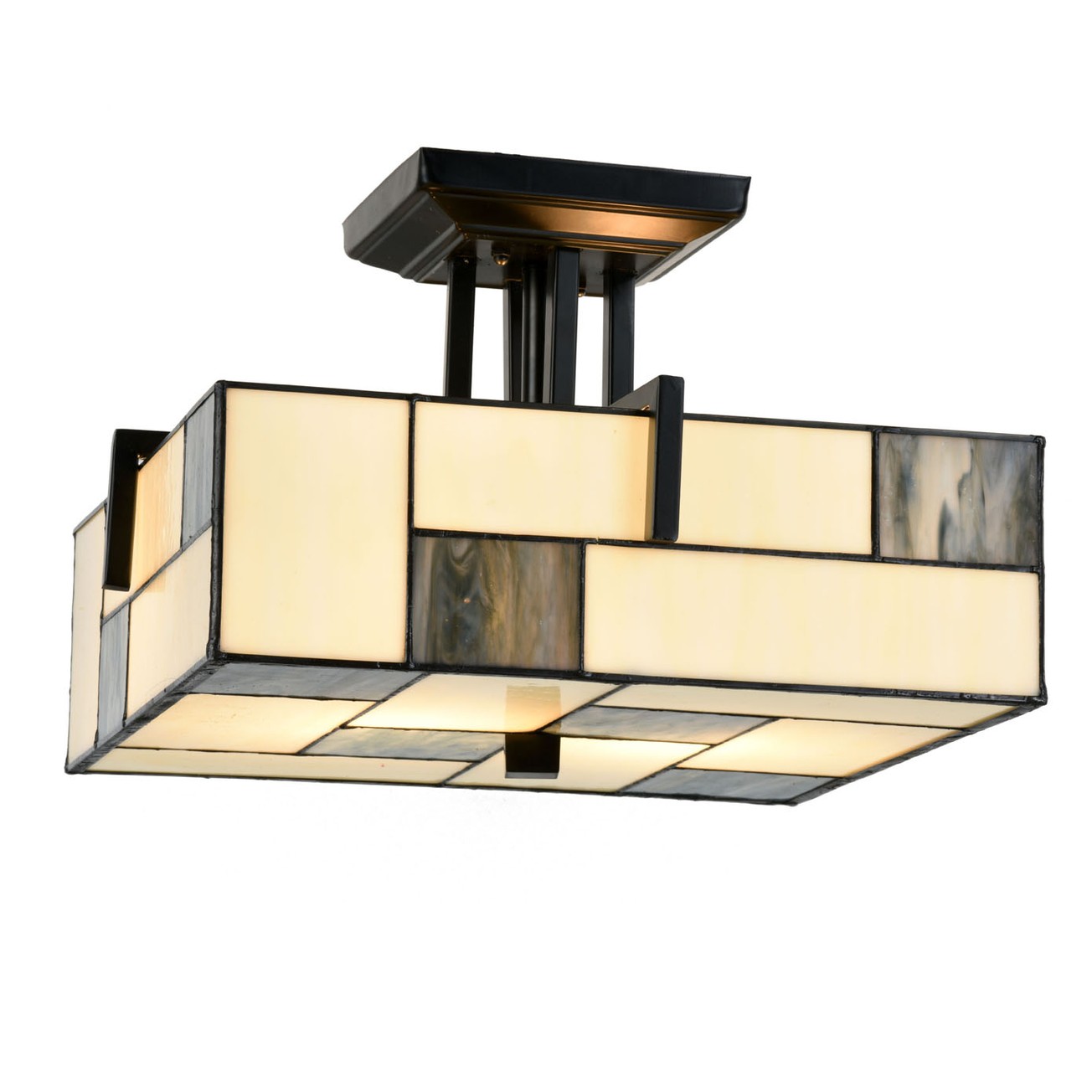
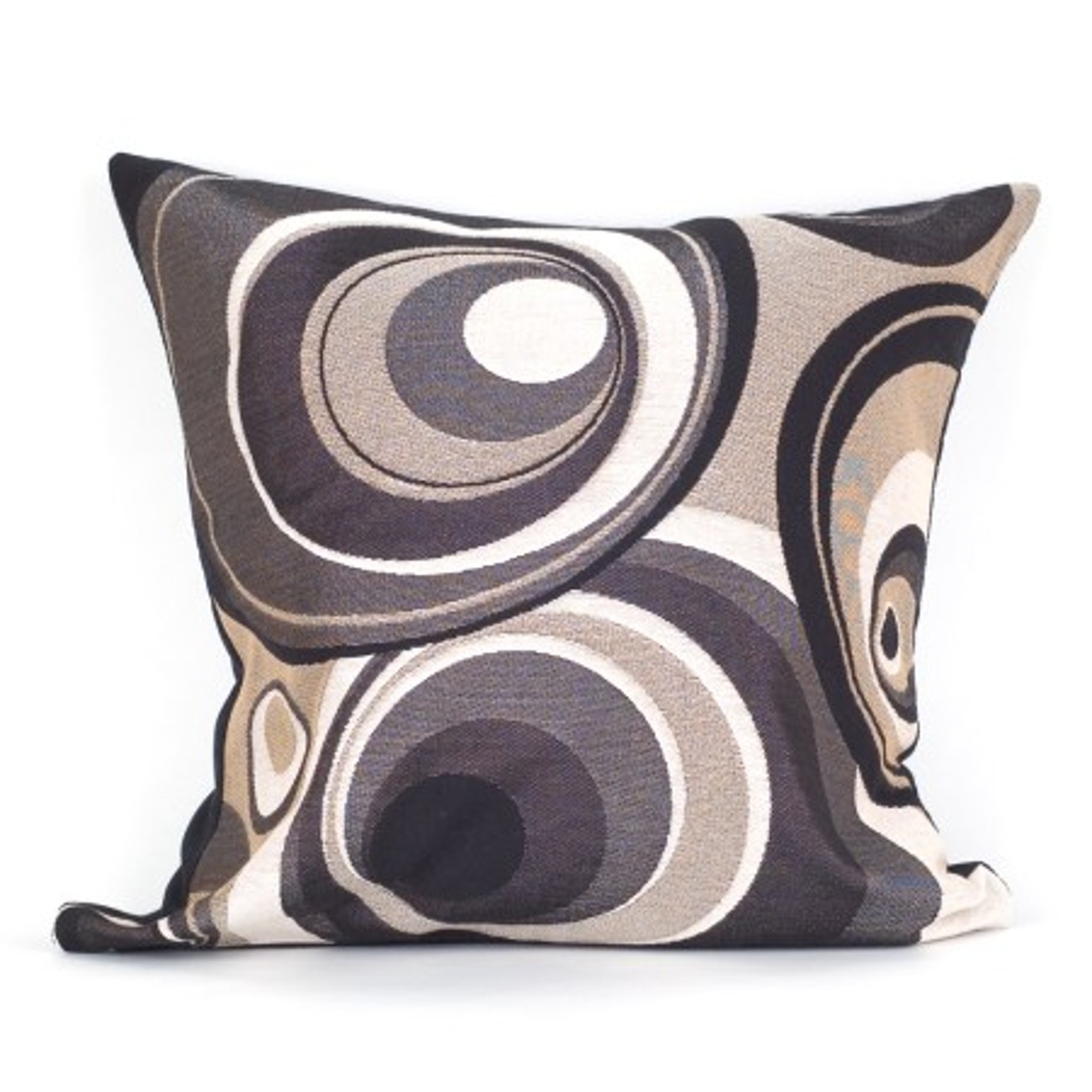
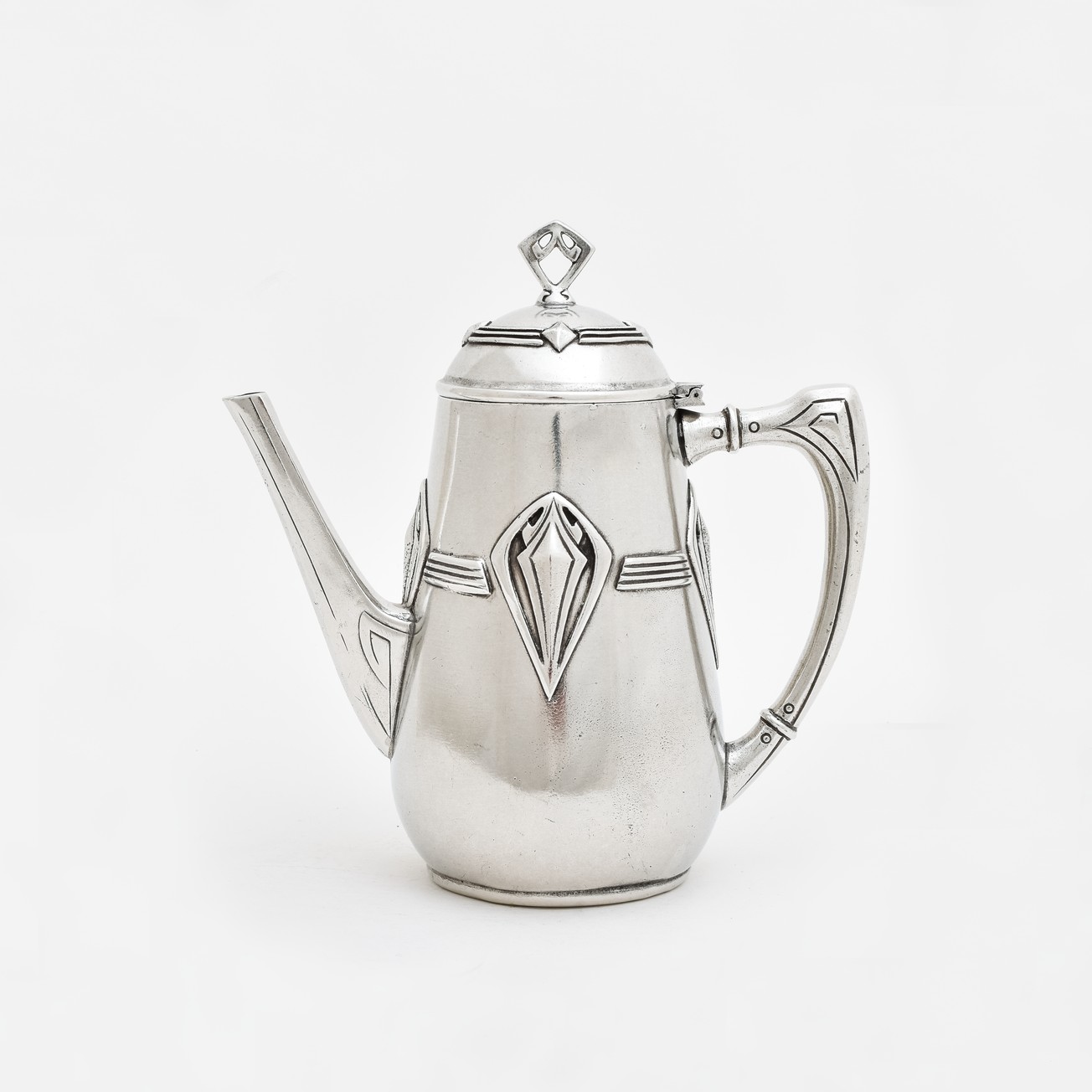
There is hardly a geometric shape that cannot be found in the Art Deco Webstore collection!
 ordered before 12:00, shipped today
 customers review us with 4.8/5
 ☀ Sunny Summer


 Send us a WhatsApp text
